

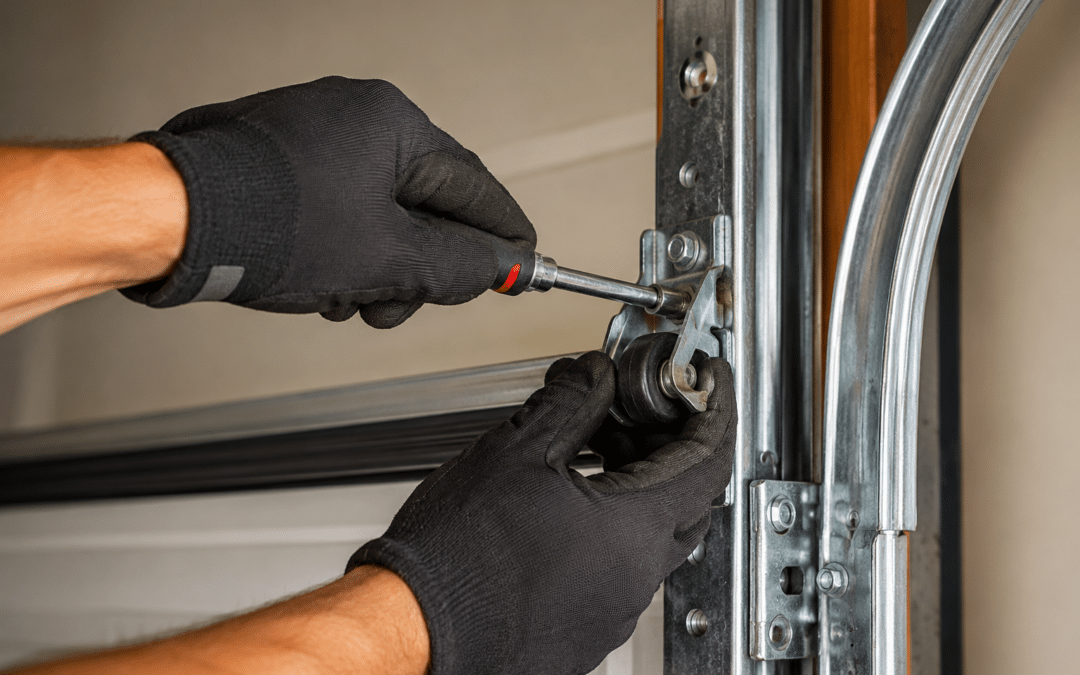
A garage door should travel smoothly from the floor to the fully open position and back down again. A little vibration may not seem alarming at first, but noticeable shaking, jerking, or wobbling can indicate that something in the system is worn, loose, or out of alignment.
If you notice your garage door shaking every time it opens or closes, it is worth paying attention to. The problem could be as simple as worn rollers or loose hardware, but it could also involve the tracks, cables, springs, opener, or overall balance of the door.
At Unwin Overhead Doors, we help homeowners throughout Western Massachusetts diagnose and repair garage door problems before they lead to larger failures. Here are some of the most common reasons a garage door shakes and what you should do next.
1. The Garage Door Rollers Are Worn
Rollers allow your garage door to move through its tracks. Every time the door opens or closes, these relatively small components carry part of the door’s weight and guide its movement.
As rollers wear, they may stop moving smoothly.
Worn rollers can cause:
- Shaking
- Squeaking
- Grinding
- Jerky movement
- Excessive vibration
- Side-to-side movement in the tracks
You may also notice that the rollers look cracked, chipped, loose, or worn around the edges.
The lifespan of garage door rollers varies depending on their material, quality, and how frequently the door is used. Rather than waiting for a roller to fail completely, have worn components inspected when the door starts becoming noticeably rough or noisy.
Unwin provides professional garage door services and repair for rollers and other moving garage door components.
2. The Tracks Are Bent or Misaligned
Garage door tracks must remain properly aligned for the rollers to travel smoothly.
If a track becomes bent, loose, or shifted out of position, the rollers may bind or move unevenly. This can cause the entire garage door to shake as it passes through the damaged area.
Track problems can result from:
- A vehicle bumping the garage door
- Loose mounting brackets
- Normal wear over time
- An off-balance door
- Damaged rollers
- Continued operation after another component fails
Look for:
- Visible bends in the tracks
- Loose track brackets
- Scraping sounds
- Rollers rubbing against the track
- A door that shakes at the same point every time
Do not try to force bent tracks back into position while the garage door is under tension. Incorrect track alignment can make the door bind or become unstable.
3. Loose Hardware Is Allowing Excess Movement
Garage doors go through hundreds or even thousands of opening and closing cycles over time.
That repeated movement can gradually loosen bolts, hinges, brackets, and other hardware.
Loose components may produce:
- Rattling
- Vibration
- Shaking
- Clicking
- Increased movement between door sections
If the shaking has developed gradually, loose or worn hardware may be contributing to the problem.
Some visible fasteners can be inspected from a safe distance. However, homeowners should avoid adjusting hardware connected to springs, cables, or other high-tension components.
If you are unsure which parts are safe to touch, have the door professionally inspected.
4. The Garage Door Is Out of Balance
Balance plays a major role in how smoothly a garage door operates.
Springs help counterbalance the weight of the door so the opener does not have to lift hundreds of pounds by itself. If a spring begins weakening or another component affects the balance of the system, the door may no longer move evenly.
An unbalanced door may:
- Shake during operation
- Open unevenly
- Stop partway
- Feel unusually heavy
- Strain the opener
- Lean slightly to one side
If the garage door shaking is accompanied by uneven movement or a door that feels heavy, have the spring and cable system checked.
Garage door springs operate under significant tension and should only be adjusted by a trained technician.
Learn more in our guide, How Do You Know if a Garage Door Is Properly Balanced?, or schedule professional garage door repair if your door is moving unevenly.
5. A Garage Door Cable May Be Damaged
Garage door cables work with the spring system to raise and lower the door evenly.
If one cable becomes frayed, loose, or damaged, the door may no longer lift at the same rate on both sides. This can cause shaking, tilting, or jerking.
Signs of cable trouble include:
- One side moving faster than the other
- A loose cable hanging beside the track
- Visible fraying
- The door appearing crooked
- Sudden uneven movement
- A door stuck partially open
A damaged cable is not a good DIY repair.
Because garage door cables work with high-tension springs, improper handling can be dangerous. Stop using the door if a cable appears damaged or out of place.
6. The Hinges May Be Worn or Damaged
Hinges connect the individual sections of a sectional garage door and allow those sections to bend as the door moves through the curved portions of the tracks.
When hinges become worn, cracked, bent, or loose, the door sections may move less smoothly.
This can create:
- Rattling
- Shaking
- Popping sounds
- Gaps between sections
- Uneven panel movement
A damaged hinge can also put additional stress on rollers and other hardware.
If you see a cracked or bent hinge, have it replaced before the damage spreads to surrounding components.
7. The Garage Door Opener May Be Contributing to the Problem
Not every shaking garage door problem starts with the door itself.
The garage door opener can also create jerky or inconsistent movement.
Possible opener-related causes include:
- A worn chain or belt
- Loose opener hardware
- A damaged trolley
- Worn internal gears
- Motor problems
- Incorrect travel settings
- An opener rail that is not properly secured
You may notice that the shaking happens primarily when the opener is running, or that the opener makes unusual noises at the same time.
However, do not assume the opener is automatically the problem. A poorly balanced garage door can force a perfectly functional opener to struggle.
The mechanical door system should be inspected before replacing the opener unnecessarily.
If your opener is aging or frequently malfunctioning, explore Unwin’s garage door opener installations.
8. The Door May Have Impact Damage
A garage door that has been bumped by a vehicle, snowblower, lawn equipment, or another object may continue operating while no longer moving correctly.
Even seemingly minor impact damage can affect:
- Panels
- Tracks
- Rollers
- Hinges
- Door alignment
Look for:
- Dented sections
- Bent edges
- Uneven gaps
- New scraping sounds
- A door that no longer sits level
- Shaking that began after an impact
If the door changed noticeably after being hit, have it inspected before continuing to use it.
Depending on the damage, individual parts or panels may be repairable. More significant structural damage may make replacement a better option.
Explore Unwin’s Residential Garage Doors if your existing door has suffered substantial damage.
Is Some Garage Door Vibration Normal?
Garage doors contain moving metal components, so completely silent and vibration-free operation is unrealistic.
What matters is whether the movement has changed.
A garage door that has always produced a small amount of vibration may not have a problem. A door that suddenly begins shaking, jerking, rattling, or getting louder deserves attention.
Changes in operation are especially important when they occur alongside:
- Grinding
- Scraping
- Loud popping
- Uneven movement
- Opener strain
- Visible damage
- Loose cables
- A heavy-feeling door
These symptoms can indicate that the system is wearing or failing.
What Can You Safely Check Yourself?
If your garage door starts shaking, you can perform a simple visual inspection without taking the system apart.
Look for:
- Visible track damage
- Cracked or worn rollers
- Loose-looking hinges
- Objects obstructing the tracks
- A crooked garage door
- Loose or hanging cables
- Damaged door panels
Also listen carefully while the door operates.
Does the shaking occur during the entire cycle or only at one point? Does it happen while opening, closing, or both? Is there grinding, squeaking, or scraping at the same time?
These details can help a garage door technician diagnose the problem.
Avoid attempting repairs involving springs, cables, tracks, or high-tension hardware.
When Should You Stop Using the Garage Door?
Stop operating the door and call a professional if:
- A cable is loose or broken
- The door is visibly crooked
- A spring appears broken
- A roller has come out of the track
- The door is shaking violently
- The door gets stuck halfway
- The opener is straining significantly
- The door appears unstable
Continuing to operate a damaged system can turn a relatively straightforward repair into damage involving several components.
If your garage door is stuck open or creates an immediate security or safety concern, Unwin also provides 24-hour emergency garage door service.
Don’t Ignore a Garage Door That Suddenly Starts Shaking
A garage door shaking during operation is usually a sign that something is no longer moving as smoothly as it should.
Worn rollers, loose hardware, bent tracks, damaged cables, poor balance, failing hinges, and opener problems can all contribute to excessive vibration.
Finding the cause early can help prevent additional stress on the door and opener while keeping the system safe and dependable.
Unwin Overhead Doors provides garage door repair, maintenance, opener service, installation, and emergency assistance throughout Western Massachusetts.
Contact Unwin Overhead Doors or call (413) 598-8844 to schedule garage door service.
Recent Comments