

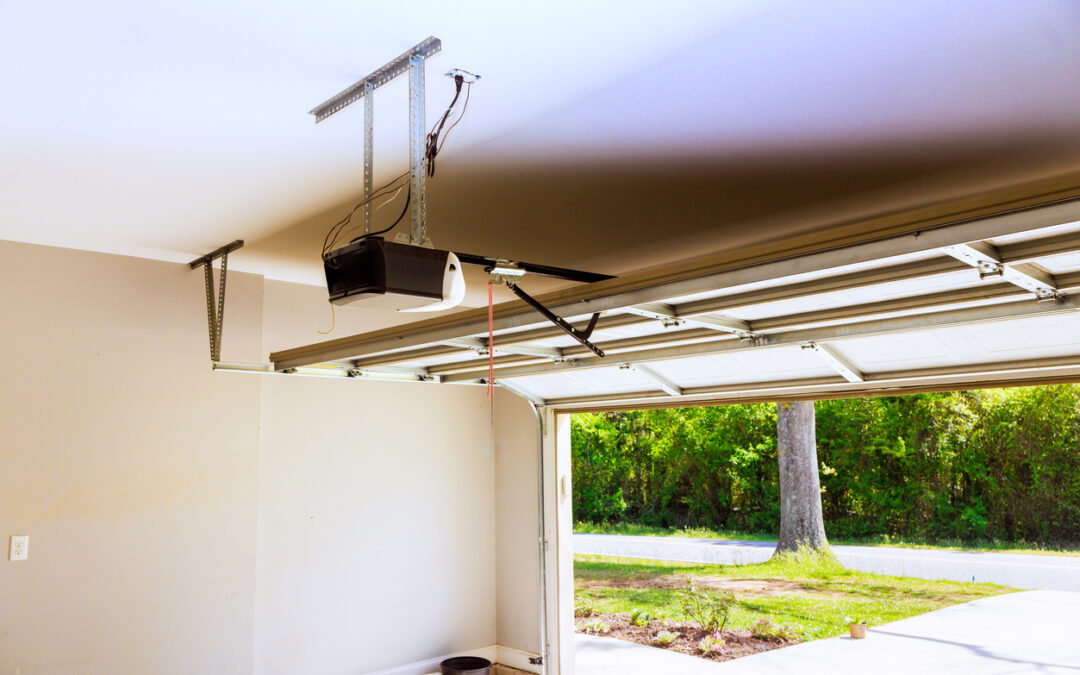
When your garage door opener stops working, you might assume you need an entirely new system. However, if the problem is isolated to the motor, replacing an individual component may be an option.
In many cases, you can replace a garage door opener motor without replacing the entire opener. Whether this is practical depends on the opener’s manufacturer, model, age, overall condition, and the availability of compatible replacement parts.
Before investing in a new garage door opener or ordering a replacement motor, it’s important to determine what is actually causing the problem.
At Unwin Overhead Doors, we help homeowners throughout Western Massachusetts identify garage door opener problems and determine the most practical repair or replacement solution.
What Is the Difference Between a Garage Door Motor and an Opener?
Although homeowners often use the terms interchangeably, the motor and garage door opener are not technically the same thing.
The motor is one component within the larger opener system. It provides the power needed to move the garage door.
Depending on the model, a complete garage door opener system may include:
- An electric motor
- A logic or circuit board
- Drive gears and sprockets
- A chain, belt, or other drive mechanism
- Travel and position monitoring components
- Remote control receivers
- Safety sensors
- Wall-mounted controls
A failure in any of these components can prevent the garage door from operating correctly.
This means that even if your opener stops moving the door, the motor itself may still be in working condition.
How Do You Know if Your Garage Door Motor Is Bad?
A failing motor may produce several noticeable warning signs. However, these symptoms can also be associated with other mechanical or electrical problems.
The Motor Hums, but the Door Doesn’t Move
If you hear a humming sound when pressing the opener button, the motor may be receiving power but struggling to operate.
Possible causes include a damaged motor, failed starting capacitor in certain models, worn drive components, or excessive resistance from the garage door itself.
The Opener Stops Working After Several Uses
An opener that works intermittently or stops responding after repeated operation may be overheating.
This could indicate motor wear, an electrical problem, or excessive strain caused by a poorly balanced garage door.
You Notice a Burning Smell
A burning smell coming from the opener may indicate overheating, damaged wiring, or an electrical component failure.
Stop using the opener and arrange for professional service.
The Garage Door Moves More Slowly Than Usual
A worn motor may struggle to maintain normal operating speed. However, damaged rollers, track problems, and worn springs can also create additional resistance.
The Opener Receives Power but Doesn’t Respond
If the opener has power and the controls appear to be working, the problem may involve the motor, logic board, wiring, or another internal component.
A professional inspection can help isolate the failure before replacement parts are purchased.
Could Something Else Be Causing the Problem?
Replacing a garage door motor will not solve the problem if another component is responsible.
Several common garage door issues can produce symptoms that resemble motor failure.
| Symptom | Other Possible Causes |
|---|---|
| Motor runs, but the door doesn’t move | Stripped gears, disengaged trolley, damaged drive mechanism |
| Door opens only a few inches | Broken spring, excessive resistance, travel problems |
| Opener clicks but doesn’t move | Logic board, capacitor, electrical problems |
| Door moves slowly | Worn rollers, poor door balance, track problems |
| Remote doesn’t activate the opener | Dead batteries, programming issues, receiver failure |
| Door closes and immediately reverses | Safety sensor problems, obstructions, mechanical resistance |
One particularly important consideration is the garage door’s counterbalance system.
Garage door springs offset much of the door’s weight. If a spring breaks or the door becomes improperly balanced, the opener may have to work significantly harder than intended.
Installing a new motor without correcting the underlying mechanical problem could place unnecessary strain on the replacement component.
When Can You Replace Just the Garage Door Motor?
Motor-only replacement may be a reasonable option when the rest of the opener is in good condition.
Consider replacing just the motor if:
- The opener is relatively new.
- The motor is the only confirmed failed component.
- Compatible replacement motors are available.
- The circuit board and drive system are functioning properly.
- The opener’s safety features are in working condition.
- The total repair cost is significantly lower than installing a new opener.
- The motor may still be covered under the manufacturer’s warranty.
Manufacturers such as LiftMaster offer replacement motor assemblies for certain garage door opener models.
However, replacement motors are not universal. Selecting the correct component requires matching the opener’s specific model and manufacturer requirements.
Are Garage Door Motors Interchangeable?
No. Garage door opener motors are generally not interchangeable across all brands and models.
Even motors with similar horsepower ratings may have different electrical requirements, mounting configurations, connectors, shafts, and control systems.
Compatibility depends on factors such as:
- Manufacturer and model number
- AC or DC motor design
- Power requirements
- Motor mounting configuration
- Drive mechanism
- Electronic control system
- Manufacturer-approved replacement part numbers
Before purchasing a replacement motor, check the opener’s model information and consult the manufacturer’s replacement parts documentation.
Installing an incompatible motor could damage other components or interfere with the opener’s safe operation.
How Much Does Garage Door Motor Replacement Cost?
The cost of replacing a garage door opener motor varies depending on the equipment and the extent of the repair.
Several factors influence the total expense.
Replacement Motor Availability
Some manufacturers continue to supply replacement motors for older opener models, while others discontinue parts as equipment ages.
Hard-to-find components may make repairing an older opener less economical.
Type of Garage Door Opener
Chain-drive, belt-drive, and wall-mounted openers use different designs and components.
The cost of a replacement motor can vary considerably between models.
Labor and Installation
Motor replacement involves more than simply removing one component and installing another.
The technician may need to access internal components, install the replacement assembly, reconnect wiring, verify operating settings, and test the opener’s performance and safety features.
Additional Repairs
If the opener has worn gears, electrical problems, or damaged drive components, those repairs may increase the overall cost.
Warranty Coverage
Some garage door openers include extended motor warranties.
Check your original purchase information before paying for a replacement. Warranty coverage varies by manufacturer and model and may not include labor or other associated expenses.
Because these factors differ from one system to another, a professional inspection is the best way to obtain an accurate repair estimate.
Garage Door Motor Replacement vs. Complete Opener Replacement
Sometimes replacing an individual motor makes financial sense. In other situations, installing an entirely new opener offers better long-term value.
| Motor Replacement | Complete Opener Replacement |
|---|---|
| Retains the existing opener system | Replaces the aging opener system |
| May have a lower upfront cost | May provide better long-term reliability |
| Suitable for otherwise healthy openers | Suitable for older or frequently malfunctioning openers |
| Depends on compatible parts being available | Provides access to current equipment and features |
| Retains existing technology | Opportunity to upgrade security and convenience features |
The right decision depends on more than the age of the motor. Consider the condition of the entire opener and how much additional service it may require in the coming years.
When Should You Replace the Entire Garage Door Opener?
Replacing the complete opener may be a better investment under the following circumstances.
Your Opener Is More Than 10–15 Years Old
An older opener may have wear throughout several components, even if the motor is the first part to fail.
Replacing the motor could restore operation temporarily, but other aging components may require attention later.
Replacement Parts Are Discontinued
Finding compatible motors, logic boards, and internal components can become increasingly difficult for older or discontinued opener models.
In these situations, installing a modern opener may be more practical.
You’ve Already Paid for Several Repairs
If your opener has experienced repeated breakdowns, another repair may not provide the long-term reliability you’re looking for.
Compare the combined cost of previous and anticipated repairs with the cost of a new system.
Your Opener Lacks Modern Features
Today’s garage door openers offer a range of convenience, security, and operating features that older systems may lack.
Depending on the model, these include:
- Smartphone monitoring and control
- Built-in cameras
- Battery backup during power outages
- Quieter operation
- Modern wireless security technology
- Integrated LED lighting
If you are already facing a significant repair expense, it may be a good opportunity to explore these upgrades.
Learn more about our Garage Door & Opener Installation Services.
Can a Broken Garage Door Spring Damage the Opener Motor?
Yes. Operating a garage door with a broken spring or an improperly functioning counterbalance system can place excessive strain on the opener.
The opener is designed to move a properly balanced garage door, not independently lift its entire weight.
If the springs are no longer providing adequate assistance, the opener may experience increased resistance and accelerated wear.
Warning signs of a spring or balance problem include:
- The garage door suddenly feels unusually heavy.
- The opener struggles to raise the door.
- The door opens only a few inches.
- One side of the door sits higher than the other.
- You notice a visible gap in a torsion spring.
If you suspect a broken spring, stop operating the garage door and contact a professional.
Read our related guide: Can You Manually Open a Garage Door With a Broken Spring?
Can You Replace a Garage Door Motor Yourself?
While replacement motors are available for certain opener models, installing one is not generally recommended as a DIY project.
Garage door openers contain electrical components, moving drive assemblies, and operating systems that must be correctly configured to maintain safe operation.
Incorrect installation or adjustments can result in equipment damage, unpredictable door movement, or malfunctioning safety features.
A professional garage door technician can:
- Confirm that the motor is actually defective.
- Identify the correct replacement component.
- Inspect the garage door’s mechanical condition.
- Install and configure compatible replacement parts.
- Test door movement and safety systems.
- Determine whether complete opener replacement is more economical.
Professional diagnosis can also help you avoid spending money on a motor that does not solve the original problem.
How Can You Extend the Life of Your Garage Door Motor?
The condition of your garage door directly affects how hard the opener has to work.
To help reduce unnecessary motor strain:
- Schedule routine garage door inspections.
- Address unusual noises and uneven movement promptly.
- Have worn rollers and damaged hardware replaced.
- Keep the doorway and tracks clear of debris.
- Avoid operating a garage door with damaged springs or cables.
- Never force a garage door that is frozen to the ground.
- Follow the manufacturer’s maintenance recommendations.
Keeping the entire garage door system in good working condition can help reduce premature wear on the opener.
Frequently Asked Questions
How Long Does a Garage Door Opener Motor Last?
A garage door opener may last approximately 10 to 15 years, although the motor’s actual lifespan depends on usage, equipment quality, maintenance, and the condition of the garage door.
Can You Replace a LiftMaster Garage Door Motor?
Yes. LiftMaster offers replacement motor assemblies for certain garage door opener models. Compatibility must be verified using the specific opener model number and manufacturer documentation.
Can You Replace an Opener Motor With a More Powerful One?
Generally, you should not install a higher-horsepower motor unless the manufacturer specifically approves it for that opener model.
If your current opener struggles to move the door, the problem may involve the garage door’s mechanical condition rather than insufficient motor power.
Is It Cheaper to Replace a Garage Door Motor or the Entire Opener?
Replacing just the motor may be cheaper when compatible parts are readily available and the rest of the opener is in good condition.
However, complete replacement may offer better value when the opener is older, has multiple worn components, or requires expensive repairs.
Can I Replace My Garage Door Opener Without Replacing the Door?
Yes. In many cases, you can install a compatible new garage door opener while keeping your existing garage door, provided the door is in suitable condition and operates properly.
Garage Door Motor Repair and Opener Replacement in Western Massachusetts
A malfunctioning garage door opener does not automatically mean you need an entirely new system. Depending on the cause of the problem, replacing a motor or another individual component may restore normal operation.
At Unwin Overhead Doors, we’ll help you determine whether repairing your existing opener or installing a new system is the better option for your home.
Since 1976, we have provided professional garage door repair, maintenance, and installation services throughout Western Massachusetts, including Chicopee, Springfield, Westfield, Holyoke, Longmeadow, and surrounding communities.
Having trouble with your garage door opener?
Call (413) 598-8844 or contact Unwin Overhead Doors to schedule professional service.
Recent Comments